
Frequently Asked Questions, widely known as FAQs, are structured compilations of questions and answers designed to address common queries about a particular subject, product, service, or process. The concept of FAQs originated during the early days of the internet, when users on bulletin boards and forums repeatedly asked similar questions. To streamline communication and reduce redundancy, administrators began compiling the most common queries into a single reference section.
Over time, the FAQ evolved beyond simple online forums. Today, it is a critical part of websites, applications, printed manuals, and customer support strategies. A well-constructed FAQ not only saves users time but also reduces stress for support teams and enhances overall user satisfaction. Modern FAQs can include dynamic formats such as interactive accordions, searchable databases, or AI-driven chatbot integrations.

II. Purpose and Benefits of FAQs
FAQs are not merely informational—they are strategic tools that serve multiple purposes for both users and organizations.
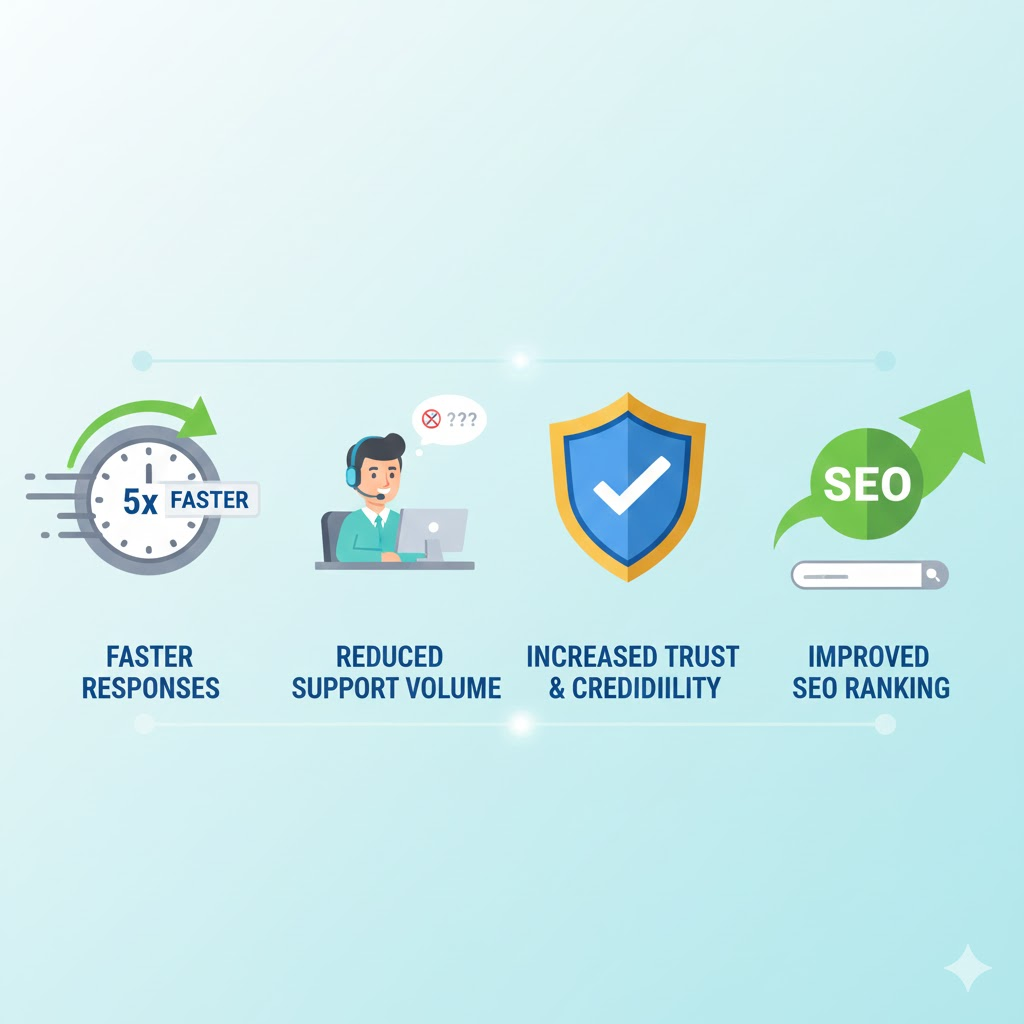
1. Quick Access to Information: FAQs allow users to find answers immediately without needing to contact support. Common questions such as “How can I track my order?” or “What payment methods do you accept?” are instantly addressed, improving efficiency and user satisfaction.
2. Reducing Support Workload: For organizations, FAQs are a crucial resource to reduce repetitive inquiries. When users can self-serve, support staff can focus on complex or unique problems, ultimately saving time and resources.
3. Building Trust and Credibility: Transparent communication via FAQs demonstrates professionalism and reliability. Users are more likely to trust a brand that openly shares clear and honest information about its products, services, and policies.
4. SEO and Discoverability: Well-structured FAQ pages can improve search engine rankings. By addressing specific, common queries, websites increase their visibility and are more likely to appear in featured snippets or voice search results.
III. Key Components of an Effective FAQ Section
Not all FAQs are created equal. A well-designed FAQ section includes several essential components:
1. Data-Driven Questions: The most effective FAQs are built from real user data, such as support tickets, search queries, and feedback. By analyzing these sources, organizations can identify which questions are genuinely frequent.
2. Clear and Concise Questions: Questions should be worded naturally and avoid unnecessary jargon. For instance, “How do I cancel my subscription?” is far more user-friendly than “Subscription Termination Procedures.”
3. Short, Direct Answers: Answers should provide clarity without overwhelming the user. Even complex topics can often be explained in simple terms or broken down into step-by-step instructions.
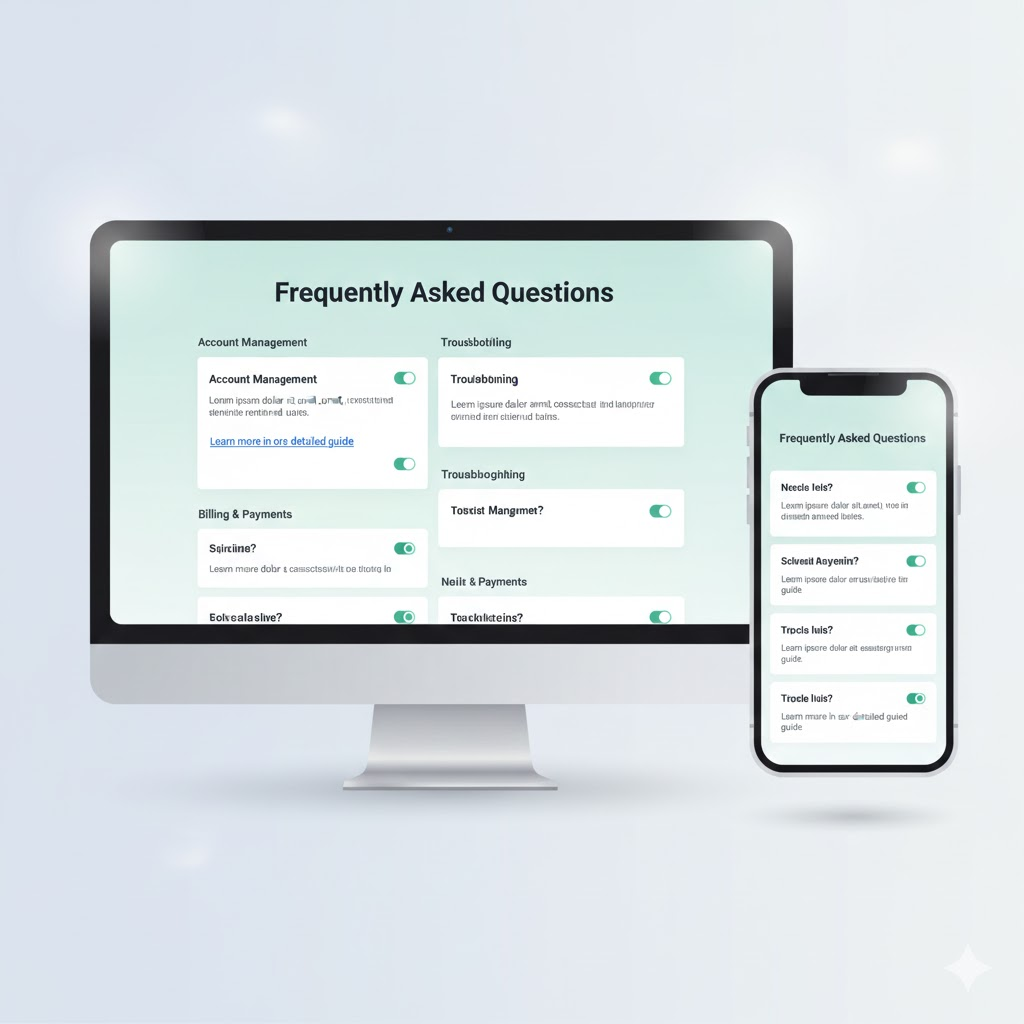
4. Logical Organization: Group similar questions under categories such as “Shipping,” “Billing,” or “Account Management.” Utilize headings, tabs, or collapsible sections to enhance readability.
5. Linking to Additional Resources: When an answer requires more detail, link to articles, guides, or tutorials for further exploration. This keeps the FAQ concise while providing depth.
6. Accessibility and Mobile-Friendliness: Ensure the FAQ is readable on various devices. Responsive design, large fonts, and clear spacing enhance user experience and accessibility.
7. Regular Updates: Information can become outdated, especially in fast-changing industries. Regularly review and update FAQs to maintain accuracy and relevance.
IV. Best Practices for Writing FAQs
Creating a FAQ requires a balance of clarity, usability, and relevance. Key practices include:
1. Use User Language: Frame questions in the words users naturally use. Avoid internal terminology that might confuse the audience.
2. Prioritize High-Impact Questions: Focus on the most frequent and relevant inquiries to maximize the FAQ’s usefulness.
3. Optimize Readability: Use headings, bullet points, and short paragraphs. Collapsible sections help users find information quickly.
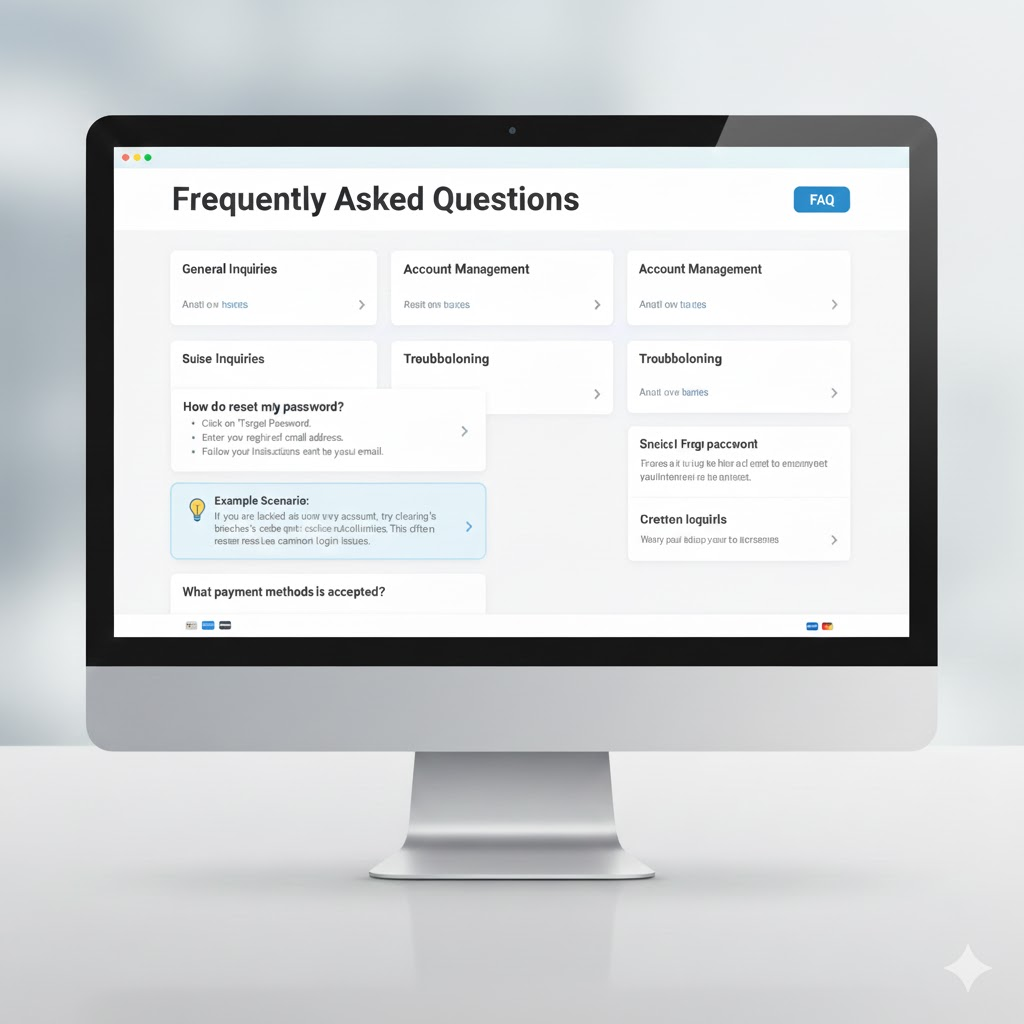
4. Include Examples or Scenarios: When applicable, provide real-world examples to clarify complex answers. For instance, “If your order hasn’t arrived within five business days, check your tracking link or contact support here.”
5. Maintain a Consistent Tone: Align the tone with your brand’s style, whether professional, friendly, or casual. Consistency enhances user experience and trust.
V. Common Mistakes to Avoid
Even well-intentioned FAQ sections can fall short if mistakes are made. Common pitfalls include:
1. Trivial Questions: Avoid including questions that are obvious or irrelevant. Users expect meaningful, helpful answers.
2. Hypothetical Questions: Do not fabricate questions that users are unlikely to ask. Authenticity is crucial.
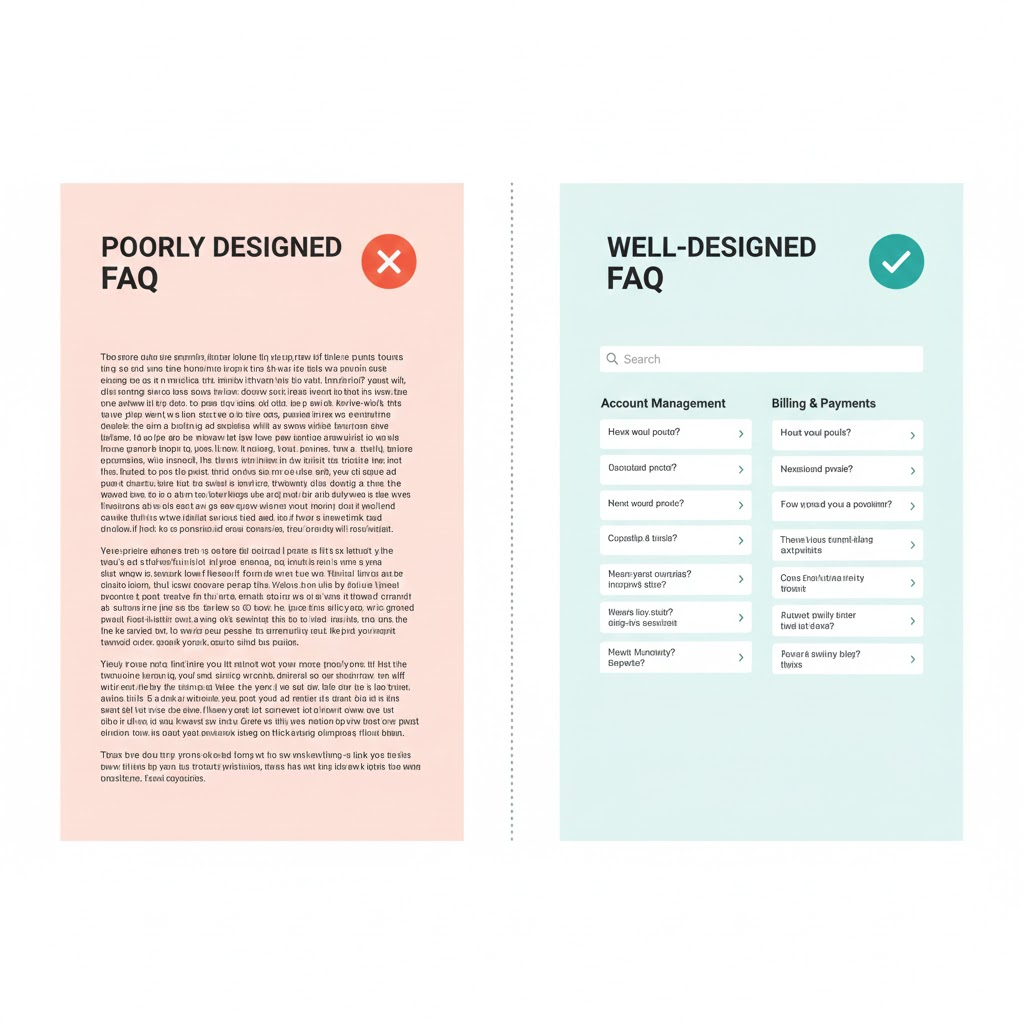
3. Overly Long Answers: Lengthy paragraphs can confuse or bore readers. Answers should be clear and concise.
4. Poor Organization: A chaotic FAQ page frustrates users. Categories, headings, and navigable structures are essential.
5. Outdated Content: Incorrect or obsolete answers erode credibility. Regular updates ensure accuracy and relevance.
VI. When and Where to Use FAQs
FAQs are highly versatile and can be applied in multiple contexts:
1. Business Websites: E-commerce platforms often use FAQs to answer questions about product details, payment methods, shipping, and returns.
2. Help Centers and Documentation: Organizations can use FAQs to reduce support tickets by addressing common technical or procedural issues.
3. Conversion Flows: During signup, onboarding, or checkout, FAQs can clarify uncertainties and reduce friction, improving conversion rates.
4. Content-Rich Articles: Long-form articles or tutorials benefit from FAQs by addressing secondary questions readers might have, enhancing comprehension and engagement.
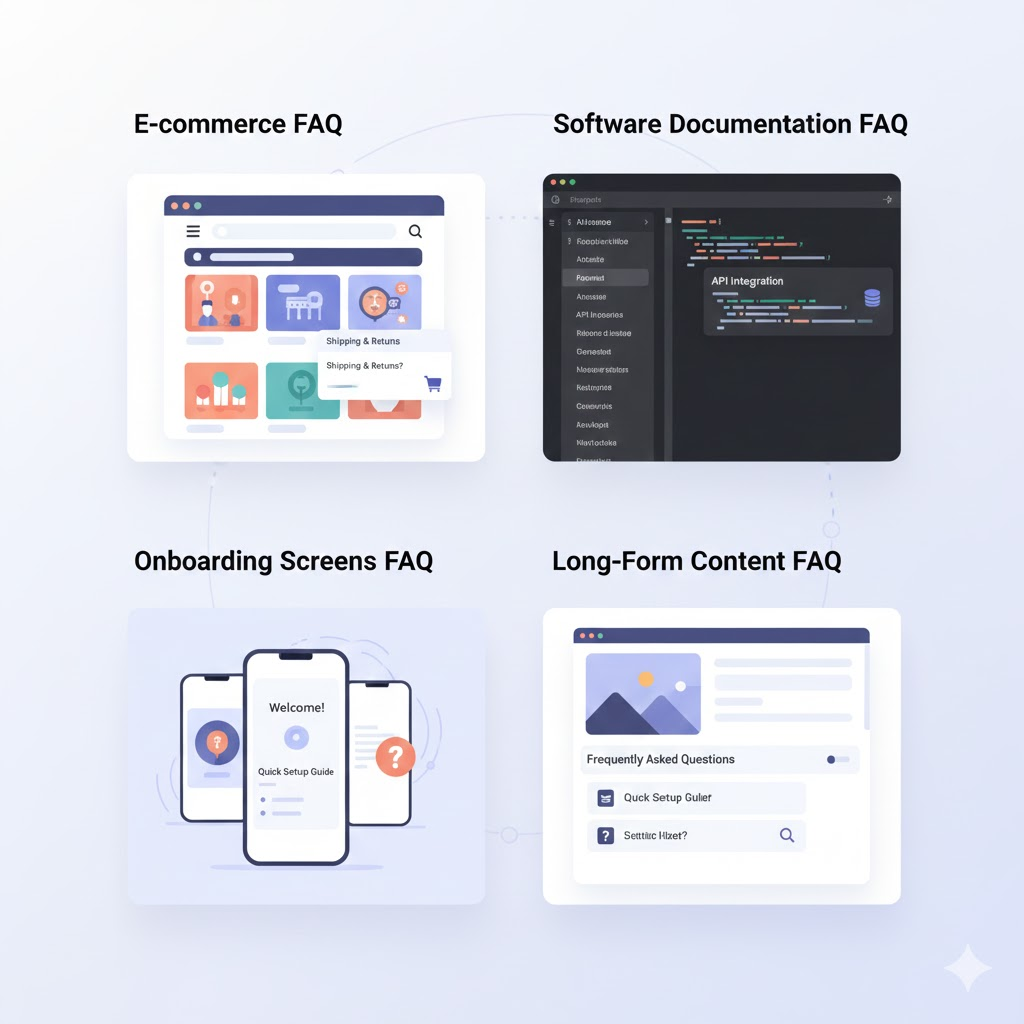
VII. Examples of Well-Designed FAQ Sections
Effective FAQ sections come in various forms depending on context:
1. E-commerce Platforms: Websites like Amazon categorize FAQs by shipping, billing, and returns, often using collapsible sections for better navigation.
2. SaaS / Software Platforms: Software companies provide technical FAQs with screenshots, video guides, and step-by-step instructions for troubleshooting.
3. Educational Platforms: Universities or online courses include FAQs on admissions, course schedules, and student support.
4. Community Forums: Platforms such as Reddit or Stack Overflow highlight frequently asked community questions, allowing users to find peer-reviewed solutions quickly.

VIII. Future Trends in FAQs
The evolution of FAQs continues as technology advances. Future trends include:
1. AI-Driven FAQs: Chatbots and virtual assistants can provide instant, personalized responses, adapting answers based on user behavior.
2. Personalized FAQs: AI can display FAQs relevant to a user’s previous activity or preferences, making the experience more intuitive.
3. Multimedia Integration: Video tutorials, audio clips, and interactive guides make FAQs more engaging and effective for diverse audiences.
4. Voice Search Optimization: With the rise of voice assistants like Alexa and Siri, FAQs optimized for natural speech queries are increasingly important.

IX. Conclusion
Frequently Asked Questions are more than just a list of questions—they are a strategic communication tool. Properly designed FAQs improve user experience, reduce customer support workloads, build trust, and enhance search engine visibility. From small businesses to multinational corporations, FAQs serve as the bridge connecting users with relevant information quickly and efficiently.
Modern FAQs incorporate multimedia, AI, personalization, and voice search optimization to remain relevant in a fast-changing digital landscape. For writers, businesses, and content creators, implementing a well-structured FAQ is not just beneficial—it is essential.
A well-maintained FAQ transforms ordinary content into a user-friendly, informative, and trustworthy resource, anticipating user needs before they even arise. By following best practices, avoiding common pitfalls, and embracing emerging trends, anyone can create an FAQ that genuinely adds value.